Interview answers that light the way.
Real questions, clear explanations and the latest changes in React, Next.js, Tailwind CSS, GSAP, Git and frontend development.
Browse by topic
New to frontend interviews?
Start with the roadmap: what to study, in what order, and how to practice.
Latest articles
All articles
Tailwind CSS interview questions and answers
Utility-first CSS, responsive design, dark mode and customization: what interviewers actually ask.
5 min read · Oct 27, 2026
GSAP interview questions: timelines, ScrollTrigger and React
The GSAP concepts frontend interviews cover, and how to use them correctly in React and Next.js.
5 min read · Oct 24, 2026
Framer Motion vs GSAP: which should you use?
A practical comparison of the two most popular animation libraries for React, and how to answer in an interview.
4 min read · Oct 21, 2026
React Hooks interview questions you should be able to answer
useState, useEffect, useMemo and useCallback: the questions interviewers ask most, with short, correct answers.
6 min read · Oct 20, 2026
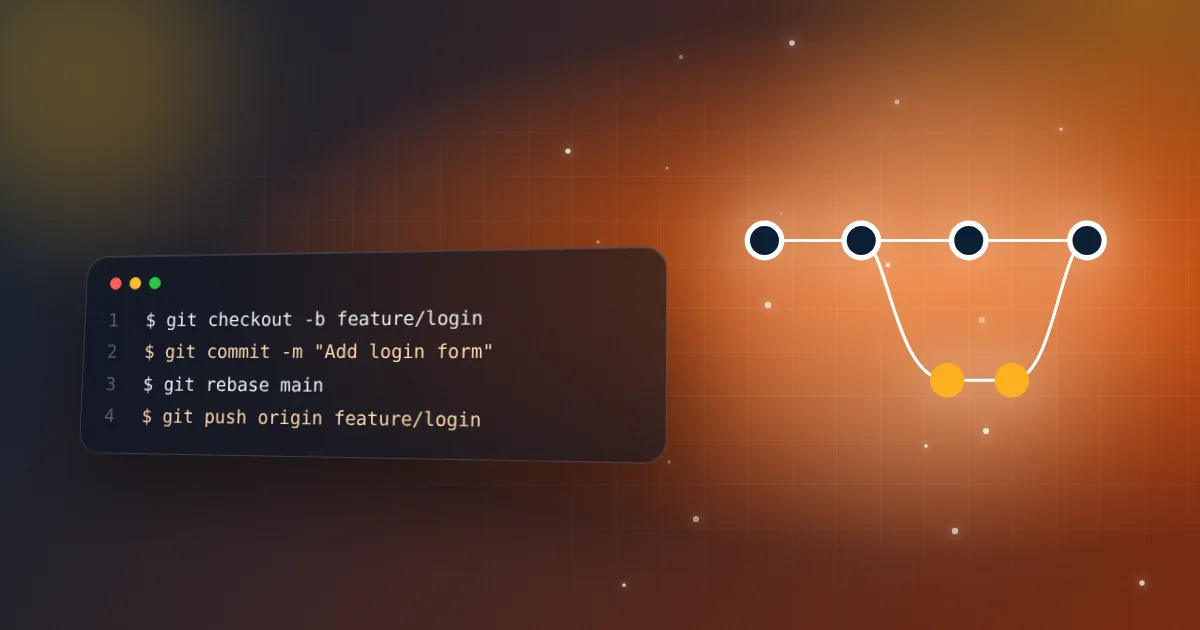
Git interview questions every frontend developer should know
Merge vs rebase, resetting, stashing and fixing mistakes: the Git answers that show real experience.
5 min read · Oct 18, 2026
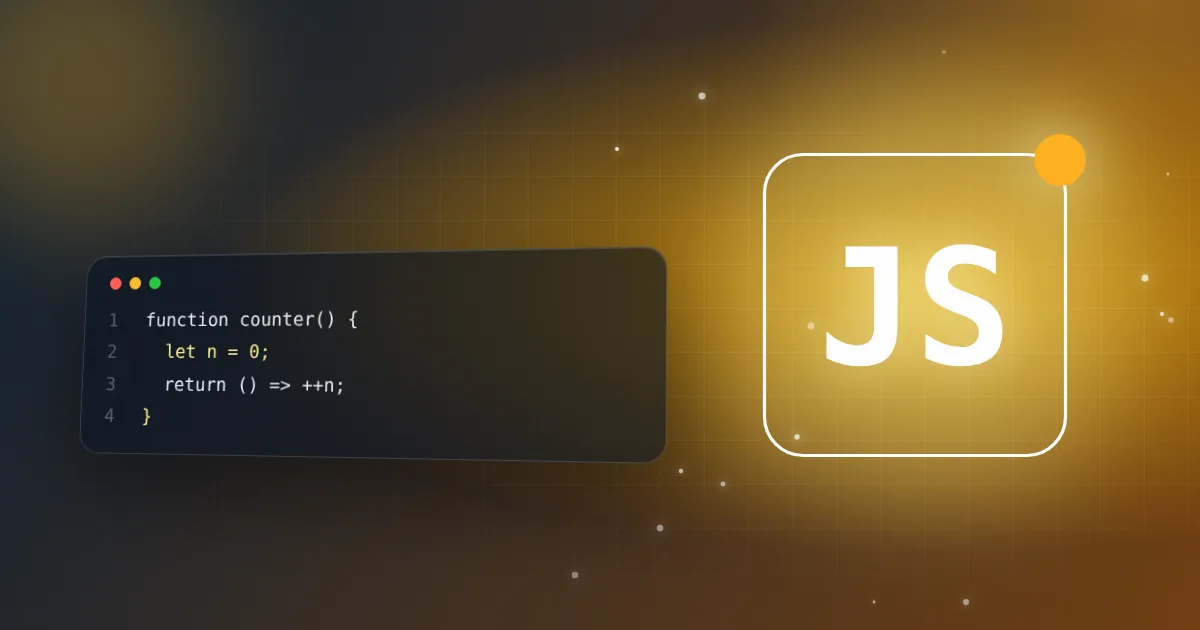
JavaScript closures and the event loop, explained for interviews
Two topics that appear in almost every JavaScript interview, with the explanations that score well.
6 min read · Oct 15, 2026
A simple path to interview-ready
Learn the fundamentals
HTML, CSS, JavaScript and Git come first. Weak basics cost the most points.
Read the roadmapMaster your framework
React, Next.js and TypeScript: rendering, hooks, data fetching and types.
Browse ReactPractice out loud
Answer each question in your own words, then check it against the article.
Use the checklistLearn from code, not just theory
Closures, hooks and rendering make sense once you see them run. Every article includes examples you can copy.
Try the closures articlefunction counter() {
let n = 0; // remembered by the closure
return () => ++n;
}
const next = counter();
next(); // 1
next(); // 2Why developers use CodeBeacon
Short answers first
Each question starts with an answer you can say in an interview, then goes deeper.
Code you can run
Examples are small and complete, so you can paste them and experiment.
Official sources
Every article links to the documentation so you can verify and keep learning.
Quick answers
Is CodeBeacon free?
Yes. Every article is free to read.
Who is it for?
Beginners preparing for a first role through to experienced developers refreshing the basics.
How should I study?
Read the short answer, say it out loud, then read the detail and try the code.
Ready to practice?
Work through the checklist for each topic and turn what you read into answers you can give.